CLEAN CUT TREE CARE, LLC
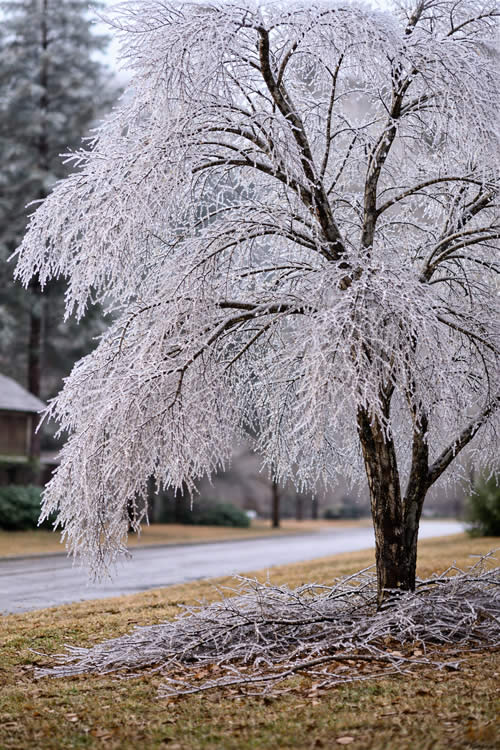
Ice storms can turn beautiful trees into serious hazards overnight. The weight of ice buildup stresses limbs, cracks trunks, and can send branches crashing onto homes, vehicles, and power lines. Knowing what to do &mlong; and what not to do &mlong; can help keep your property and family safe.
DO: Prioritize safety first
If you see hanging limbs, split trunks, or trees leaning after an ice storm, keep your distance. Ice-damaged trees are unpredictable, and branches can fall without warning &mlong; even days after the storm has passed.
DO: Inspect trees once conditions improve
After the ice melts, walk your property and look for broken branches, cracks in major limbs, or trees that are now leaning. Early assessment helps prevent delayed failures that can occur weeks later.
DO: Call a professional for major damage
Large limbs, tall trees, or anything near power lines should always be handled by trained professionals. Certified tree crews have the equipment and experience to remove hazards safely without causing further damage.
DON’T: Shake or beat ice off branches
It may seem helpful, but striking branches can actually cause more breakage. Ice makes wood brittle, and sudden movement can snap limbs that might otherwise survive.
DON’T: Use chainsaws without proper experience
Ice-damaged trees are under tension and can behave unpredictably when cut. Improper cutting can lead to kickback, falling limbs, or serious injury.
DON’T: Assume a tree is “fine” because it’s still standing
Internal damage isn’t always visible. Trees weakened by ice may fail later during wind or rain events if not properly evaluated.
Ice storms are tough on trees, but smart decisions afterward can reduce long-term risks. When in doubt, a professional assessment is the safest way to protect your property and preserve healthy trees for the future.