CLEAN CUT TREE CARE, LLC
North Georgia Is Back in Drought: Helping Your Trees Through a Tougher Dry Spell
In 2024, we published an article called “Help Your Trees Survive Drought” after a stretch of dry weather here in North Georgia. Unfortunately, we are back in drought conditions again, and this time the stress on trees and landscapes is even more serious.
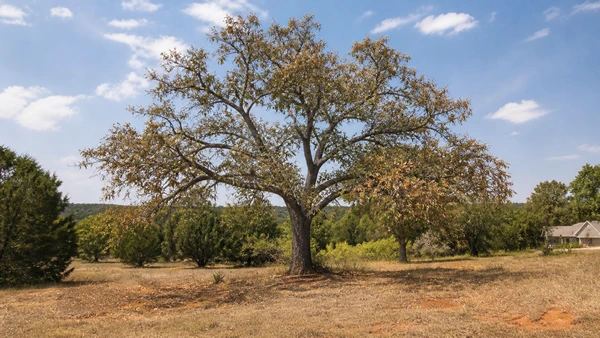
That earlier advice bears repeating: trees are long-term investments, and drought stress can weaken them in ways that may not be obvious right away. A tree can look mostly normal during a dry spell, but still be losing fine feeder roots, shutting down growth, dropping leaves early, or becoming more vulnerable to insects, disease, and storm damage later.
The important thing to understand is that drought damage is often cumulative. A tree that struggled through one dry season may not fully recover before the next one arrives. That means trees already stressed by compacted soil, construction damage, poor drainage, crowded roots, previous pruning issues, or shallow planting conditions need extra attention now.
The First Priority: Deep, Slow Watering
When rain is scarce, the most helpful thing a homeowner can do is water valuable trees deeply and slowly.
A quick spray from a hose does very little for a tree. Most of that water stays near the surface, where turf grass and weeds can use it before it ever reaches the tree’s root zone. Trees benefit much more from slow watering that soaks into the soil over time.
Focus on the area under the tree canopy and slightly beyond it, not just the base of the trunk. Tree roots often extend well past the drip line. A soaker hose, drip line, watering bag, or slow-running hose moved around the root zone can make a real difference.
For established trees, a deep watering every 10 to 14 days is usually more beneficial than frequent shallow watering. Younger trees, newly planted trees, and trees in full sun may need more frequent attention.
Mulch Matters More During Drought
Mulch is one of the simplest and most effective drought tools available.
A 2 to 4 inch layer of organic mulch helps hold moisture in the soil, keeps roots cooler, and reduces competition from grass and weeds. This is especially important during extreme heat and extended dry periods.
The key is to mulch properly. Spread mulch out broadly under the tree, but keep it pulled back from the trunk. Mulch piled directly against the trunk can hold moisture against the bark and create rot, insect, and disease problems.
Think “wide and shallow,” not “deep volcano.”
Watch for Delayed Signs of Stress
One challenge with drought-stressed trees is that symptoms may not show up immediately. Sometimes the visible damage appears weeks or even months later.
Signs to watch for include:
- Leaves wilting, curling, browning, or dropping early
- Sparse canopy growth
- Dead twigs or branch tips
- Cracks in dry soil around the tree
- Mushrooms or decay near the base of the tree
- Increased insect activity
- Sudden limb drop, especially from large mature trees
- If a tree begins shedding leaves during drought, it may be trying to conserve water. That does not always mean the tree is dying, but it does mean the tree is under stress.
Be Careful With Pruning During Drought
It is usually fine to remove dead, broken, or hazardous limbs during dry weather. In fact, removing deadwood can reduce risk around homes, driveways, fences, and outdoor spaces.
However, heavy pruning during drought should be avoided unless there is a safety reason. Major pruning removes living leaf surface, creates wounds, and can add stress at a time when the tree is already working hard to conserve moisture.
A good rule of thumb: during drought, prune for safety and tree health, not for aggressive shaping.
Do Not Fertilize a Stressed Tree Without a Reason
Homeowners sometimes assume a struggling tree needs fertilizer. During drought, that can be the wrong move.
Fertilizer can push new growth, and new growth requires water. If the soil is already dry, encouraging a tree to grow can add stress instead of relieving it. In many cases, water, mulch, and soil protection are more important than fertilizer.
If a tree appears weak or declining, it is better to assess the cause before adding fertilizer.
Protect the Root Zone
During drought, the root zone becomes even more important.
Avoid parking vehicles, storing materials, or running heavy equipment under trees. Compacted soil makes it harder for water and oxygen to reach roots. Also be cautious with digging, trenching, grading, or landscape work near trees during drought conditions. Root damage that might be survivable in a normal year can become much more serious when the tree is already short on water.
Young Trees Need the Most Help
Newly planted trees are especially vulnerable because their root systems are not yet established. Even drought-tolerant trees need help during their first few years.
If you planted trees in the last one to three years, do not assume they can make it on their own. They may need regular deep watering until normal rainfall returns and their roots become better established.
Mature Trees Are Not Immune
Large trees are durable, but they are not invincible.
In fact, mature trees can suffer badly during prolonged drought because they have large canopies to support. When a mature shade tree begins to decline, the damage can be expensive, dangerous, and sometimes irreversible.
Large hardwoods, specimen trees, and trees close to homes or driveways are worth paying attention to now, before drought stress turns into dead limbs or structural problems.
North Georgia Drought Tree Care: How to Help Your Trees Survive
We have said it before, and with North Georgia back in drought, it bears repeating: the best drought care for trees is simple, consistent, and proactive.
Water deeply. Mulch properly. Avoid unnecessary pruning or fertilizing. Protect the root zone. Watch for delayed signs of stress.
A little attention during drought can help prevent long-term decline, reduce future hazards, and protect the trees that add shade, beauty, and value to your property.
If you are concerned about a tree on your property, Clean Cut Tree Care can help assess its condition and recommend the best next step.